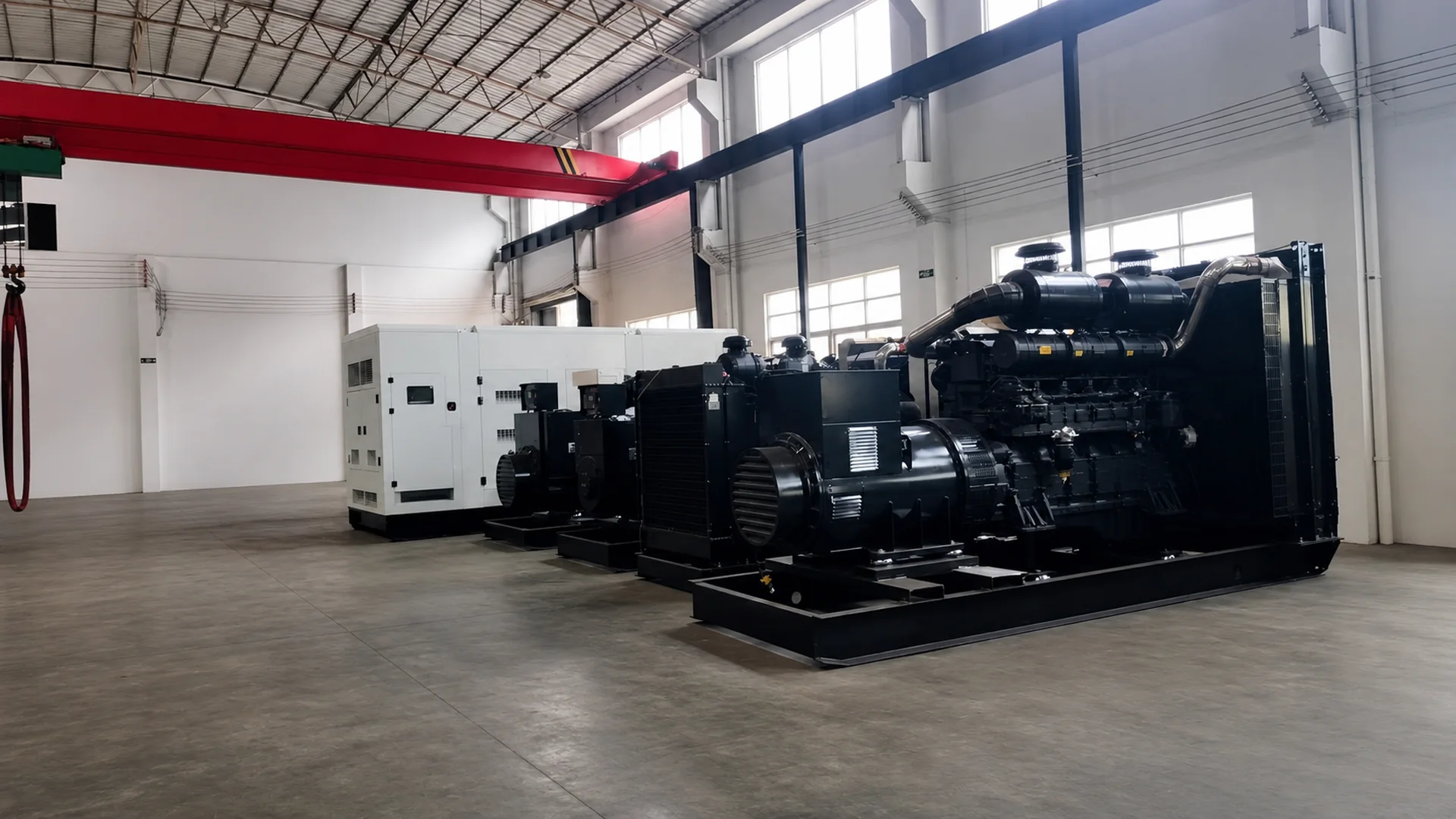
Generator RFQ checklist: the details that make quotations comparable
A practical list covering load, duty, voltage, frequency, site conditions, quantity and delivery scope.
Read more →Generator Buying & Technical Guides
Practical guidance for generator sizing, configuration, application and procurement decisions.
A practical list covering load, duty, voltage, frequency, site conditions, quantity and delivery scope.
Read more →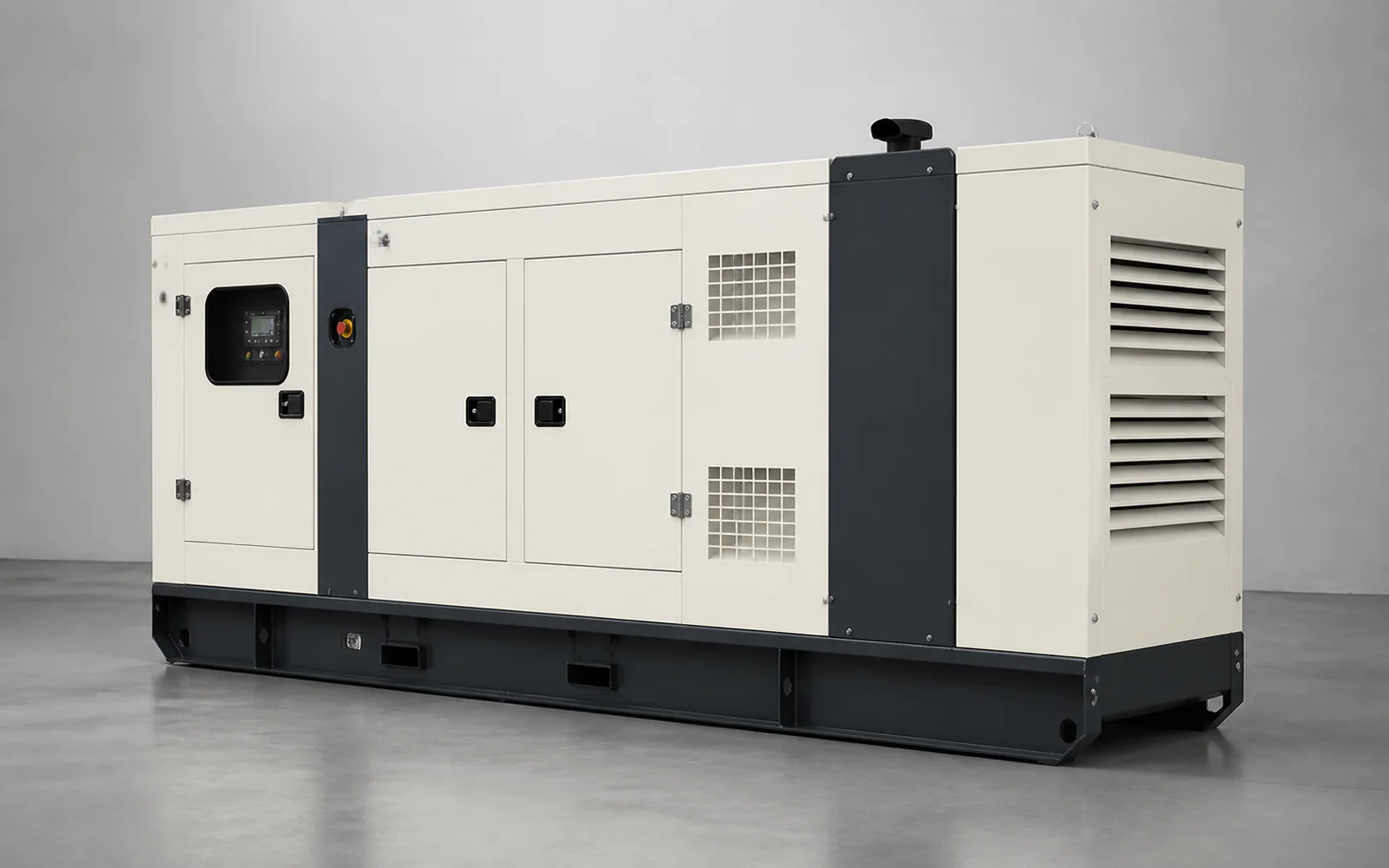
A concise comparison of service access, weather protection, acoustic needs and installation scope.
Read more →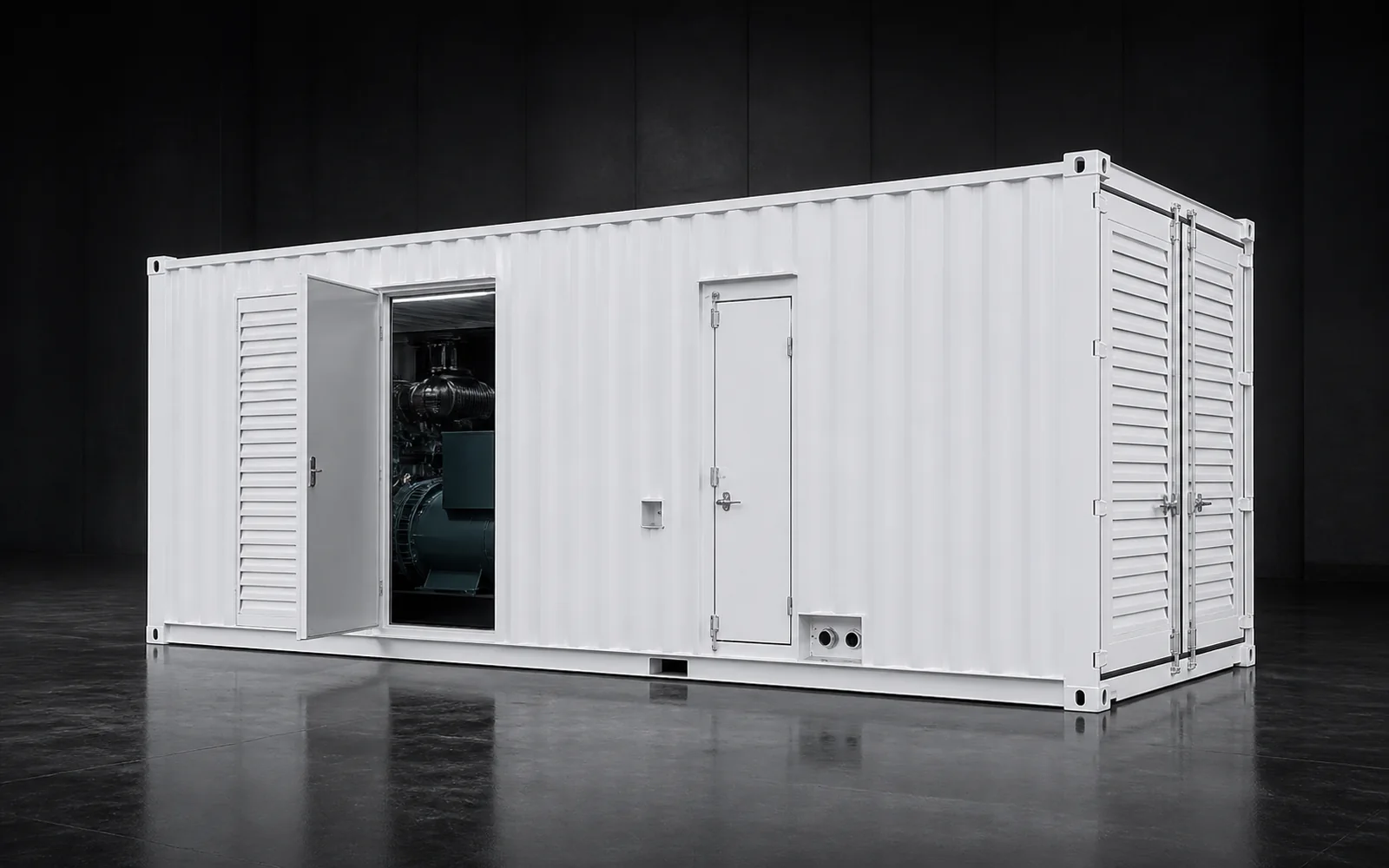
Configured generator sets for contractors, industrial buyers and distribution partners.
Read more →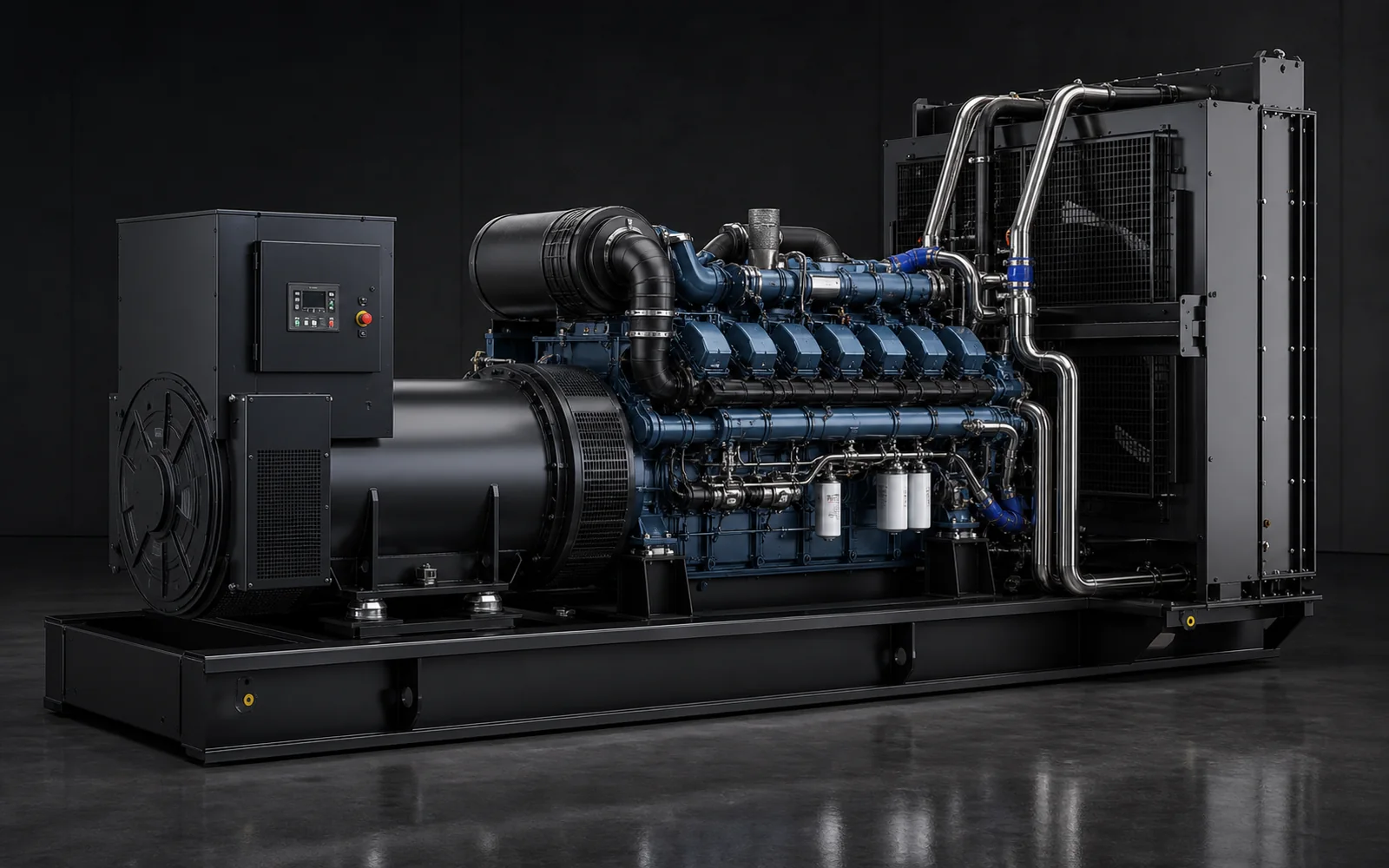
A practical sizing workflow based on running load, motor starting, duty, reserve and site conditions.
Read more →
Why generator duty must match operating hours, load profile and the applicable engine rating definition.
Read more →
Frequency affects rated speed, voltage configuration and compatibility with the destination electrical system.
Read more →
Most buyers fixate on kVA and price. The engine platform underneath decides cold-start reliability, rating retention in heat, and whether parts exist in year six. Here is how Weichai, Yuchai and SDEC actually differ for 20–3,750 kVA generator sets.
Read more →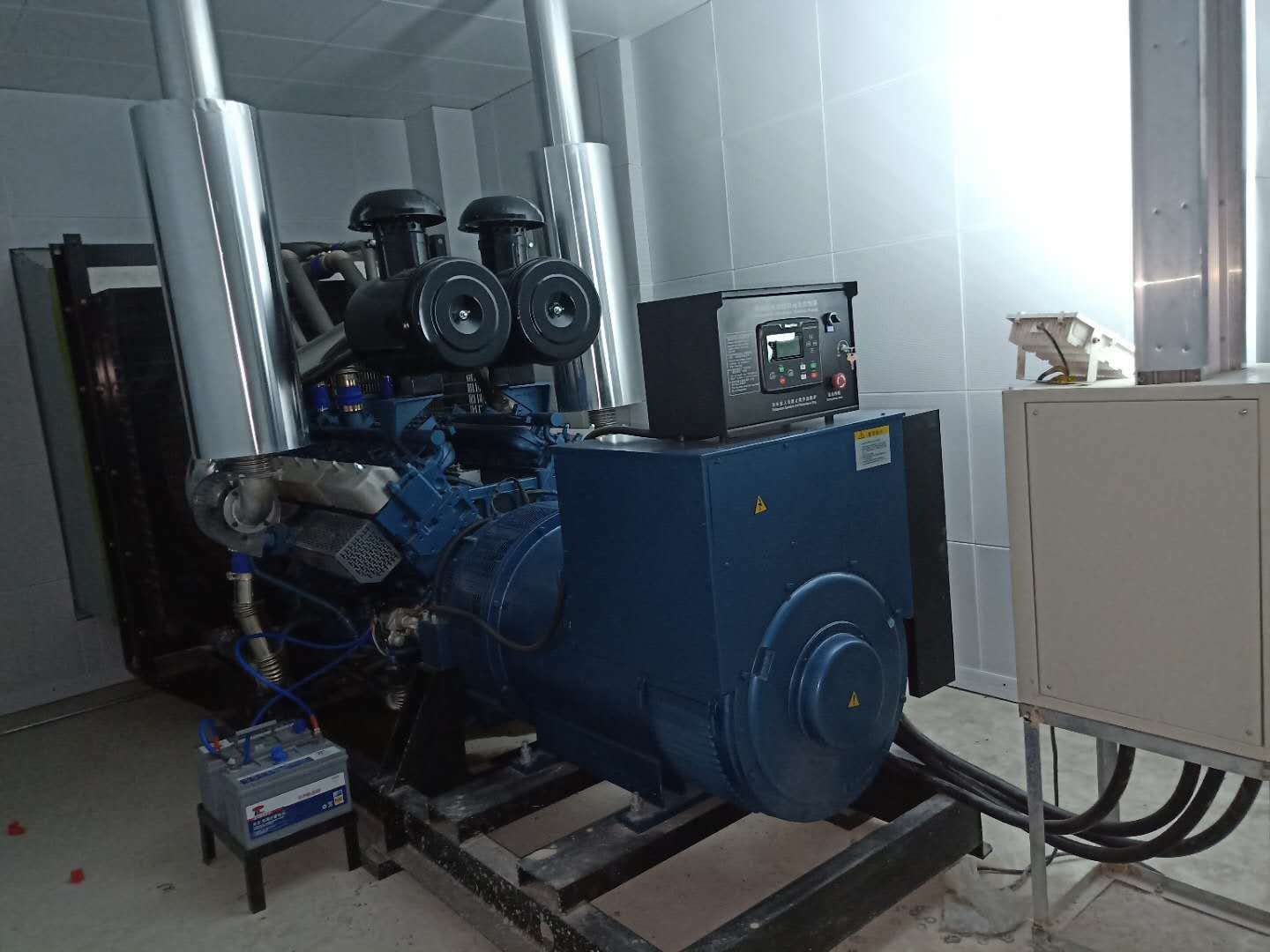
A buyer's checklist for critical power, step loading, redundancy, controls, monitoring and fuel autonomy.
Read more →
Why destination, engine category, duty and regulatory scope should be confirmed before selecting a generator set.
Read more →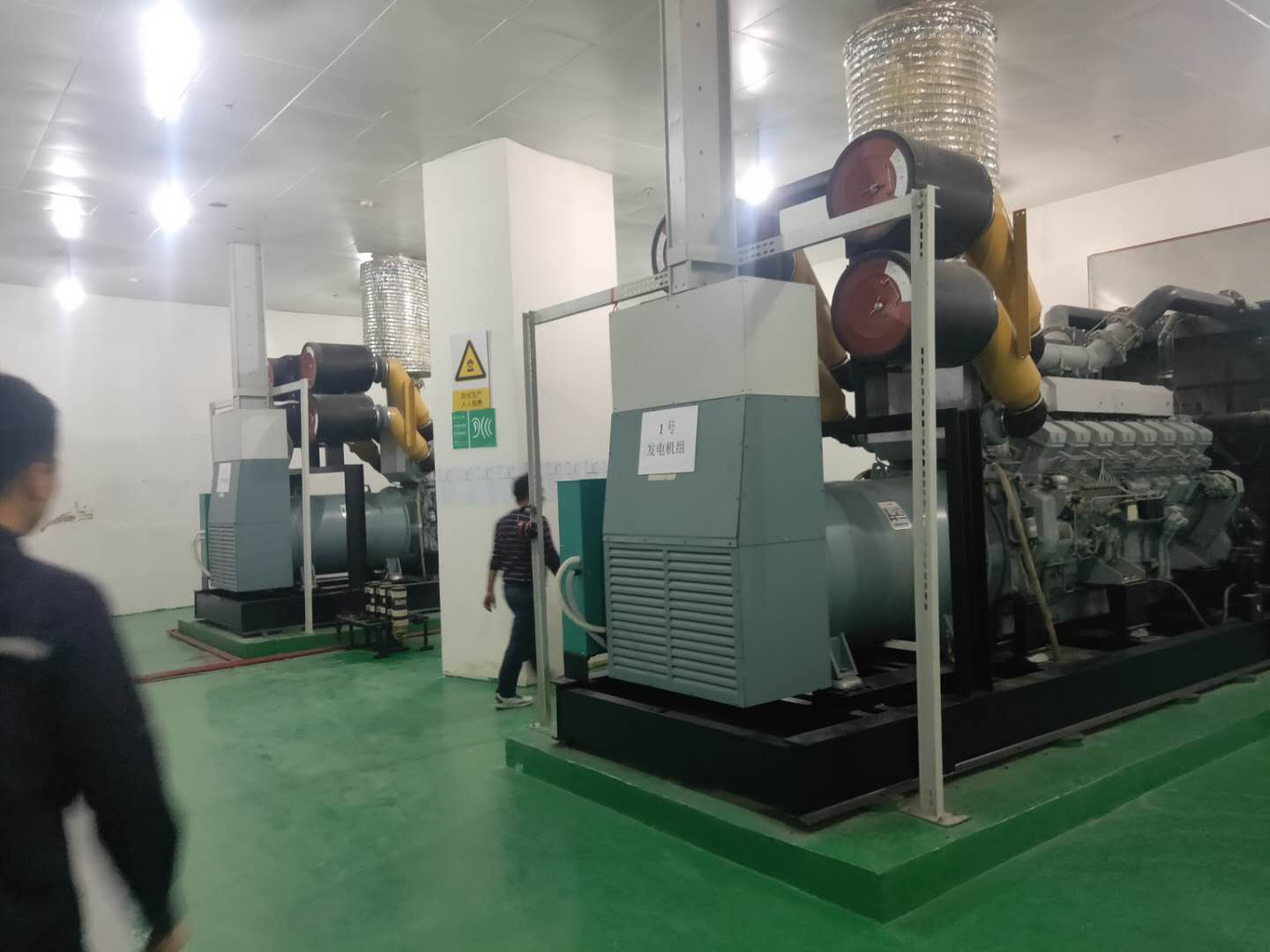
The operational details that determine whether a mobile or rental-style generator package can be deployed successfully.
Read more →
A buyer's guide to explosive-atmosphere rated generator sets: what hazardous-area classification actually means, whether your project needs an Ex-rated set, how to specify the right protection method, how to verify the certificate before paying, and when to walk away from a vague 'ATEX-ready' claim.
Read more →
A buyer's guide to low-load damage and wet stacking in diesel generators: what it is, how to spot it, how to verify your set isn't chronically underloaded before buying, when to walk away from an oversized quote, and how LINKPOWER right-sizes sets to your real load.
Read more →
A buyer's guide to choosing diesel vs natural gas for a standby or prime generator. What each fuel means for uptime, on-site fuel storage, emissions compliance and gas-train verification, the claims that should make you walk away, and how to get a comparable quote from LINKPOWER.
Read more →
A buyer's guide to the IP (Ingress Protection) rating on generator enclosures. What the IEC 60529 code means, why a higher number is not the same as 'waterproof', how to verify the rating before you pay, the claims that should make you walk away, and how to pick the right package type for your site.
Read more →
A buyer's guide to why standby generators fail to start and how to verify the DC starting circuit before you buy. The engine is usually fine — the failure is the battery, charger, cabling and starter. What separates a 12V from a 24V starting system, the battery, charger and wiring checks to run, the red flags that mean you should walk away, and the cold-weather provisions that keep the set cranking when you need it.
Read more →
A buyer's guide to generator commissioning and on-site acceptance. Why a passed factory test is not the same as a site acceptance test, the mechanical, electrical, earthing, fuel, exhaust, control and load checks to run before you pay the balance, the red flags that mean you should hold payment, and the handover documents (O&M manual, test reports, earthing diagram, certificates) you must receive at sign-off.
Read more →
A buyer's guide to generator corrosion protection and tropicalization for coastal, high-humidity and offshore sites. Why a standard set rusts fast in salt spray, what 'tropicalized' actually means and does not guarantee, the ISO 12944 corrosion categories (C3 to C5-M) and IEC 60529 IP code you should ask for, and the verification checks - named corrosion category and dry-film thickness, IP certificate, galvanized frame and stainless hardware, anti-condensation heater, salt-spray test evidence, and contract acceptance - that prove real protection before you pay.
Read more →
A buyer's guide to generator power quality - what total harmonic distortion (THD), voltage regulation and frequency stability actually mean for sensitive loads. Why a clean nameplate kVA does not guarantee clean electricity, how the ISO 8528-1 performance classes G1 to G4 map to telecom, medical and general loads, and the six checks - named performance class, measured THD and regulation, factory test report, AVR and alternator type, load-matched confirmation, and contract acceptance - that prove the real output before you pay.
Read more →
A buyer's guide to generator derating - the loss of nameplate output at altitude and high ambient temperature that most quotations never correct for. What derating means against the ISO 8528-1 and ISO 3046 reference conditions, why a single brochure kVA number is only half the story, how the altitude and temperature penalties stack, and the six checks - reference rating plus site-corrected rating, the engine's own site-correction curve, prime-vs-standby basis, packaged alternator rating, contract and acceptance test - that prove the real rating before you pay.
Read more →
A buyer's guide to the generator alternator - the part that actually makes the electricity. What brushless and brushed alternators do differently, why brushless is the default for most projects, the specs (rated and packaged output, subtransient reactance, IP and insulation class) you must put on the RFQ, and the six checks - brand and model, datasheet, type-test certificate, packaged rating, spares, factory test report - that prove the electrical end is what your project needs before you pay.
Read more →
A buyer's guide to diesel generator emissions compliance: what an emissions stage actually is, why a supplier's 'Stage V' or 'Tier 4' label is not the same as clearing your destination's customs, and the seven checks - name the applicable program, demand the engine type-approval certificate for the exact power band, match it to your configuration, get set-level conformity papers, and write rejection liability into the contract - that prove the set is compliant before you pay and ship.
Read more →
A buyer's guide to generator motor starting: why sets trip when a motor starts, why a higher kVA plate is not the same as a proven motor start, and the six checks - motor list with locked-rotor data, starting method, acceptable voltage dip, alternator subtransient reactance, step-load acceptance and a written motor-starting calculation - that prove the set starts your load before you commit.
Read more →
A buyer's guide to generator spare parts availability: why parts run out before warranties do, what actually determines whether you can get a component in year five, and the six checks - parts list, OEM numbers, spares kit, written lead times, named alternator and controller, factory stocking - that verify serviceability before you commit.
Read more →
A buyer's guide to diesel generator site preparation: what the foundation, clearances, ventilation, exhaust and cable route actually require, which supplier numbers you can trust, and the six checks that confirm the site spec is buildable before you break ground.
Read more →
A buyer's guide to generator fuel tank sizing and on-site fuel storage: what tank size actually controls, base tank vs sub-base vs external bulk, how to calculate the autonomy your site needs, and the six checks that confirm the tank and fuel are compliant and clean before you pay.
Read more →
A buyer's guide to remote generator monitoring: what it actually does, which connection and protocol you should specify, how to verify a supplier's monitoring offer before paying, and the red flags that mean you should walk away.
Read more →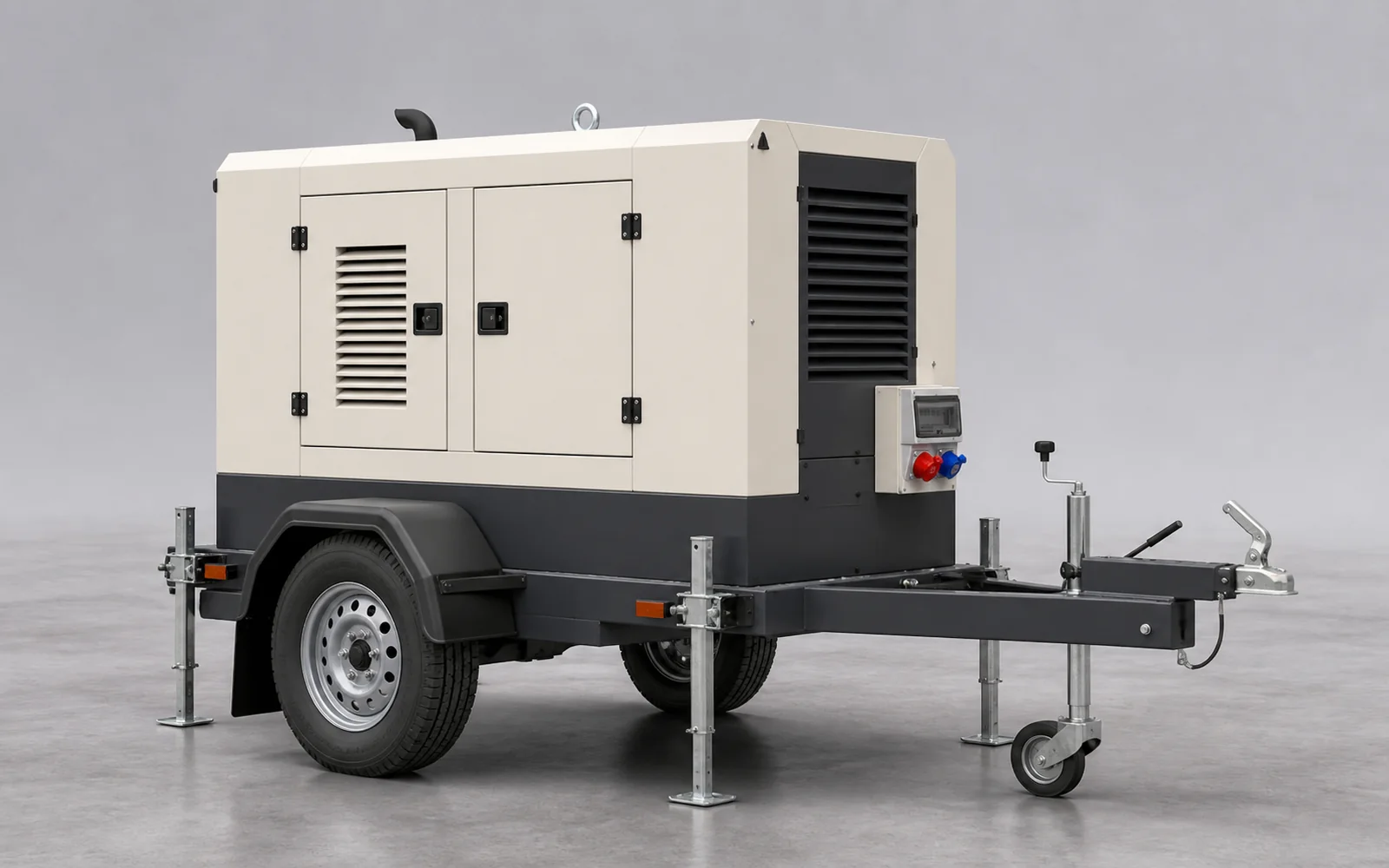
A buyer's guide to choosing between renting and buying a diesel generator: the real cost difference, which jobs suit rental, when ownership wins, how to verify any quote on the same basis before paying, and the red flags that mean you should walk away.
Read more →
A buyer's guide to diesel generator warranties: what the factory and engine warranties cover, where the exclusions and gaps hide, how to verify every term in writing before paying, and the red flags that mean you should walk away from the offer.
Read more →
A buyer's guide to the generator control panel and AMF controller: what it does, the auto-start and monitoring functions to confirm, the fault protections to require, the factory-test and spare-parts checks to run, and the red flags that mean you should walk away before paying.
Read more →
A buyer's guide to the automatic transfer switch (ATS) that sits between your utility feed and standby generator: what it does, why open-transition vs closed-transition is not cosmetic, the rating and standard to request, the factory-test and coordination checks to run, and the red flags that mean you should walk away before paying.
Read more →
A buyer's guide to diesel generator fuel use and runtime: why brochure L/h figures mislead, how to size a base or day tank for the autonomy you need, the load points and standards to request, and the verification checklist and red flags to use before you pay.
Read more →
A buyer's guide to standby generators for commercial buildings: how to size on real load instead of floor area, why a silent enclosure is not the same as noise compliance, which rating (standby vs prime) fits backup duty, and the verification checklist and red flags to use before you buy.
Read more →
A buyer's guide to single-phase vs three-phase generators: what each supply actually powers, how to verify your site's phase and voltage before buying, and the red flags that mean a supplier is guessing instead of engineering your configuration.
Read more →
A buyer's guide to importing a generator set: what actually happens between your deposit and the unit landing at your site, how Incoterms split the risk, how to verify crating and lead time before you commit, and the red flags that mean you should walk away from an export quote.
Read more →
A buyer's guide to emergency power for hospitals: what 'hospital-grade' backup actually means, why a standby generator alone is not compliance, how to verify a supplier's claims before you sign, and the red flags that mean you should walk away.
Read more →
A buyer's guide to backup and prime power for farms: which loads to protect, prime vs standby duty, fuel autonomy for remote sites, open vs silent packaging, and the documents you must require before paying for an agricultural generator set.
Read more →
A diesel generator noise rating only means something with its measuring distance and test standard. How to verify the dB(A) claim, map it to your local limit, and when to walk away from a supplier who cannot produce a test report.
Read more →
A buyer's guide to factory acceptance testing for diesel generator sets: what 'tested' really means, how to verify a load-bank run before you pay, the documents to request, and the red flags that mean you should walk away.
Read more →
Large solar and renewable builds keep procuring diesel generator sets for construction power, weak-grid hybrid duty and black-start backup. A buyer's guide to specifying and verifying the right set, with the documents to put in the contract.
Read more →
What cold-weather readiness actually involves for a diesel generator set - fuel gelling, batteries, coolant and block heaters, package choice, and the cold-climate specs to verify with the supplier before winter.
Read more →
A buyer's guide to generator backup power for telecom sites: cell towers, BTS hotels and remote comms, choosing the package, handling theft and noise, and what to verify with the supplier before the RFQ.
Read more →
A buyer's guide to temporary power for construction sites and large energy projects: choosing the generator package, handling dust and heat, sizing fuel autonomy, and what to verify with the supplier before the RFQ.
Read more →
A buyer's guide to paralleling diesel generators: when multiple sets beat one big unit, what synchronization and load sharing actually require, and which questions to put in an RFQ before you commit to a paralleling system.
Read more →
A buyer's guide to reading a generator spec sheet: duty rating, kVA versus kW and power factor, voltage and frequency, IP and noise verification, and why the factory as-tested report is the only number you can trust.
Read more →
Buyers are asking for power that arrives pre-built and rolls into place instead of being assembled on site for months. This guide compares containerized power systems and mobile trailer generator sets for fast deployment, where each one saves time, where each one falls short, and the verification documents you should pin down before the order is placed - written as a buyer checklist rather than a sales pitch.
Read more →
Grid connection queues are pushing some data center operators to generate power on-site. This guide explains what behind-the-meter generation means for a data center buyer, how to define the duty the set will actually run, which package type fits a campus, which engine documents to verify, and how on-site generation sits alongside renewables - written as a buyer verification checklist rather than a sales pitch.
Read more →
A practical maintenance list for diesel generator owners and operators, covering daily, weekly, monthly and pre-season checks for coolant, oil, batteries, fuel, load testing, electrical connections and protection markings. Written as a verification guide so you can hold any service provider to the same standard, and know which documents to request from the supplier.
Read more →
HVO is promoted as a drop-in renewable diesel for generator sets, but whether a specific machine actually runs on it depends on the engine maker's written approval, not the label. A practical buyer checklist: confirm the approval letter, fuel spec, material compatibility, emission documentation and warranty position before changing fuel.
Read more →
How to specify diesel generator sets for mining operations. Load profiling for crushers and camps, derating at altitude and high temperature, dust protection, package choice between containerized and mobile sets, and the service documents to demand from any supplier.
Read more →
How to select diesel generator sets for critical loads - data centers and hospitals. Load classification, duty rating, package choice, transfer and paralleling controls, and the documents to verify with the supplier before you buy.
Read more →
Every diesel generator set is two products in one: the engine-alternator core and the package around it. Open, silent, trailer and containerized wrap that core for different sites. Here is how to pick without buying a problem you did not need.
Read more →